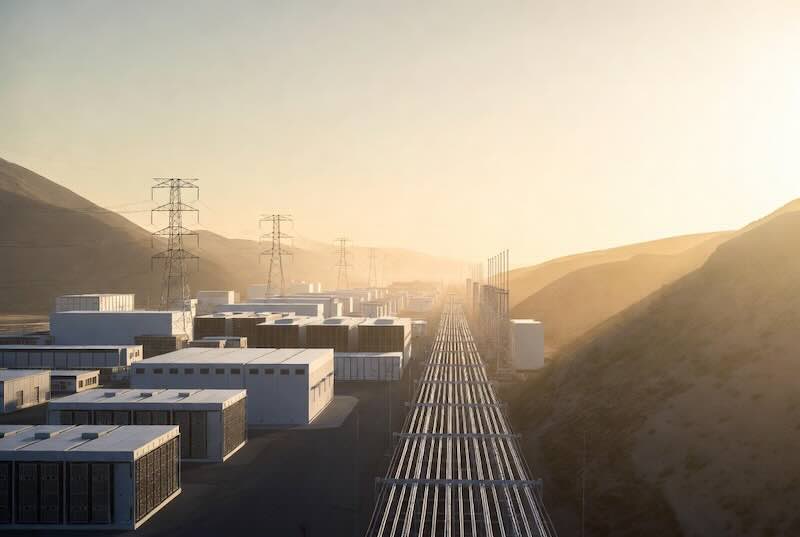
Compute is not “in the cloud.” It is on someone’s grid bill.
Maine is moving toward a statewide pause on large data centers. Treat this less as a quirky state drama and more as an early test of who pays for AI’s electricity, and who gets to say no.
What Happened
Maine’s legislature has advanced LD 307, a bill that would pause approval for new data centers at or above 20MW until November 2027, while the state sets up a coordination council to study impacts, including electricity rates, grid reliability, and environmental effects.
404 Media details the political temperature: projects negotiated behind NDAs, residents discovering a proposed facility days before votes, and a growing pattern of ballot measures and local resistance in multiple states.
The Stakes Map (Who Wins, Who Loses)
- Ratepayers: potentially protected from cost shifts (if you buy the “data centers raise everyone’s bills” framing), but also potentially missing the utility investment that steady load can justify.
- Utilities: want predictable load and a mechanism to recover grid upgrade costs. They hate uncertainty more than they love ideology.
- Developers and hyperscalers: learn to route around “maybe” states, and increasingly show up with behind-the-meter power pitches (gas, turbines, small reactors) to avoid interconnection queues.
- Local governments: tempted by construction spend and tax base, then trapped between “economic development” and “why is my town paying for your inference?”
Why This Matters Beyond Maine
This is the mechanism test in action. If states can pause large facilities long enough to rewrite cost-allocation rules, then “AI competitiveness” becomes a local permitting story, not a national strategy memo.
Also, notice how quickly the politics moves from carbon to bills and secrecy. People do not mobilize around abstract megawatts. They mobilize around feeling conned.
The Singularity Soup Take
The AI buildout assumed “demand will arrive, and the grid will politely expand.” Maine is what happens when the grid answers: “who’s paying?” Expect more moratoria, more ballot measures, and more behind-the-meter power deals that look suspiciously like companies building private utilities in all but name.
What to Watch
- Final votes and carve-outs (grandfathering projects already in motion).
- Whether other states copy the 20MW threshold and the “coordination council” model.
- How cost allocation gets framed: grid upgrades as “public benefit” vs “private subsidy.”
Sources
404 Media — "Maine Is Close to Passing a Moratorium on New Datacenters"
Broadband Breakfast — "Maine Set to Become First State to Halt New AI Data Centers"
Reason — "Maine bill proves states are capable of adopting bad data center policies without federal intervention"