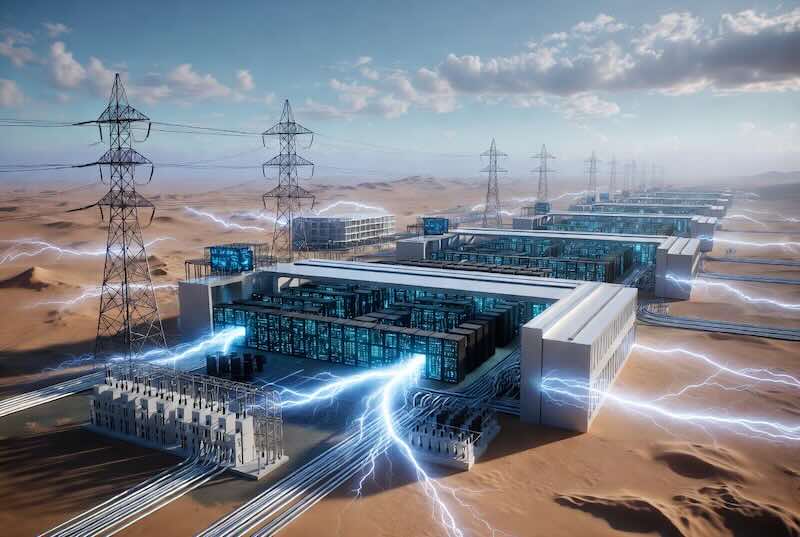
What happened: Nvidia’s GTC live-updates post recapped Jensen Huang’s keynote, framing tokens as the unit of modern AI and pitching a full-stack roadmap — including the Vera Rubin platform and a “next” architecture called Feynman — as the infrastructure for the agentic AI era.
Why it matters: Nvidia isn’t selling “chips” so much as a vertically integrated AI factory: CPUs, GPUs, networking, storage, reference designs, digital twins and software. The more end-to-end the stack, the harder it is for customers to swap pieces without a forklift (or a therapist).
Wider context: The keynote leaned heavily on inference economics (“token cost”) and the shift from training glamour to deployment plumbing, alongside partnerships across cloud and enterprise. Translation: the AI race is increasingly about throughput, power, and who owns the bottlenecks.
Background: The post also highlighted CUDA’s 20th anniversary, new GeForce/graphics announcements, and a broader push into “physical AI” across robotics and automotive — a reminder that the long-term pitch is AI everywhere, including places that can hit back.
NVIDIA GTC 2026: Live Updates on What’s Next in AI — NVIDIA Blog
Singularity Soup Take: This is Nvidia’s empire-building in daylight: define the “AI factory,” sell the reference design, then sell the tools to simulate the factory you’ll need to buy. Resistance is futile — mostly because the procurement line item is already approved.
Key Takeaways:
- Vera Rubin platform: Huang introduced Vera Rubin as a full-stack platform for agentic AI, including a Vera CPU and BlueField‑4 storage architecture, emphasizing vertical integration and “extreme codesign” across software and silicon.
- Next architecture teaser: The keynote looked beyond Vera Rubin to a “Feynman” generation with additional named components, signalling Nvidia’s intent to keep roadmap gravity strong enough to bend competitors’ timelines (and customers’ budgets).
- AI factory framing: Nvidia positioned AI demand as exploding and pitched reference designs and simulation tooling (digital twins) to accelerate data-center buildouts, reinforcing that infrastructure, not demos, is now the main storyline.