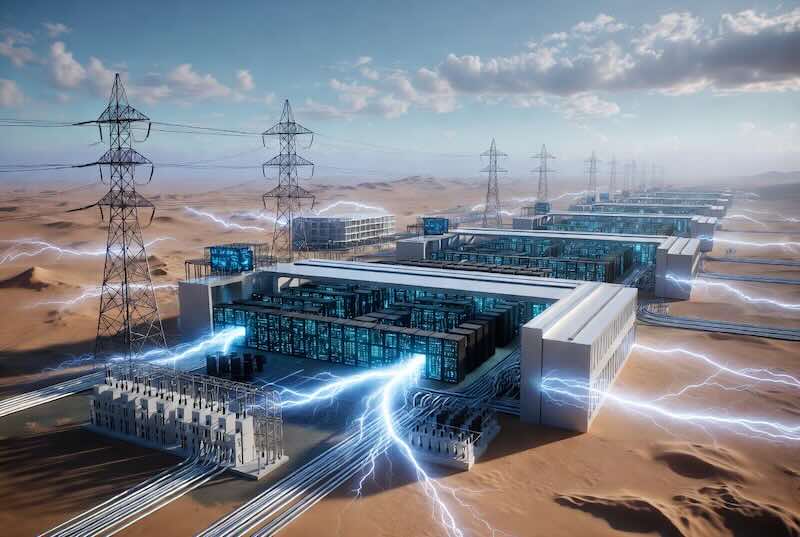
What happened: A report cited by The Times of India says nearly half of planned US data centres due by 2026 may be delayed or cancelled, not for lack of ambition but because the boring parts of electricity are missing: transformers, switchgear, and batteries.
Why it matters: The AI build-out is colliding with hardware lead times measured in years, not quarters. If you can’t step down voltage or distribute power safely, your "massive campus" is just an expensive idea with a logo.
Wider context: Hyperscalers are throwing hundreds of billions at compute, but electrification (EVs, heat pumps, grid upgrades) is chasing the same components. In practice, supply chains and trade policy are now quietly setting the speed limit for AI.
Background: The piece points to longer delivery timelines for large transformers versus pre-2020 norms, rising reliance on imports (including from China), and workarounds like ordering equipment early or refurbishing older kit to avoid being stuck at the "waiting for parts" stage.
Almost half of data centers planned for 2026 in the US are likely to be delayed or canceled, and the reason is ... — The Times of India
Singularity Soup Take: We’ve reached the point where the hottest AI breakthrough is… a power transformer shipment arriving before the heat death of the universe. Nothing says “future” like being throttled by switchgear lead times and geopolitics.
Key Takeaways:
- Parts, Not Parameters: The reported bottleneck isn’t chips or model training; it’s electrical infrastructure components (transformers, switchgear, batteries) that determine whether data centres can actually energise and operate.
- Lead Times Are Policy: When transformer delivery stretches into multi-year timelines, project schedules stop being “execution risk” and become a structural constraint - the grid’s supply chain effectively becomes AI industrial policy.
- Import Dependence Bites: The article highlights reliance on imports (including from China) for key equipment, creating a trade-off: reshoring ambitions versus the immediate need to build capacity before competitors do.