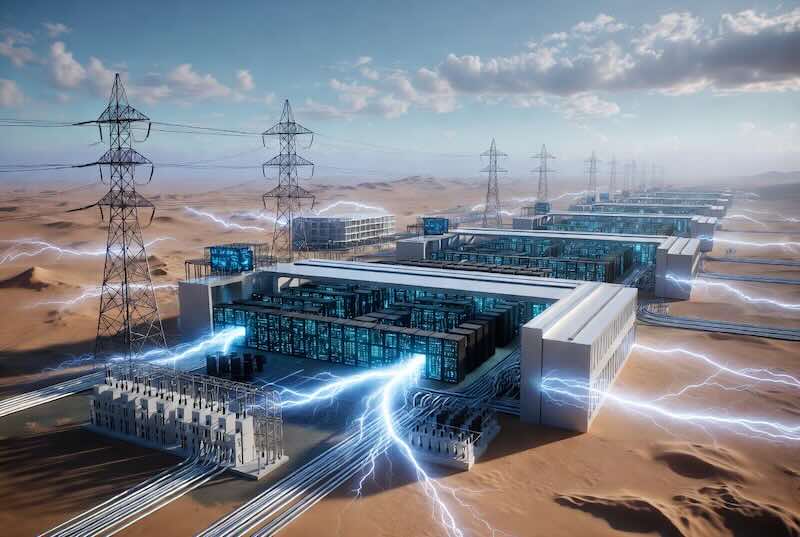
What happened: Business Insider reports that a cluster of former crypto-mining firms are pivoting into data-centre operators for high-performance computing, using existing power contracts to land deals with major tech customers that need electricity-hungry capacity.
Why it matters: AI infrastructure is now a construction-and-finance sport, not just a silicon sport. These projects are more complex than mining sheds, come with tighter uptime expectations, and can include penalties or termination rights if delivery slips.
Wider context: The story frames 2025 as the year to secure big contracts, and 2026 as the year to actually execute them - right as supply chains, grid constraints, and "everything takes longer" realities collide with hype-fuelled market caps.
Background: The piece highlights rapid valuation growth across the group since 2022, and points to examples where customers (and lenders) are willing to tolerate delays because switching providers could take even longer in a power-scarce market.
For crypto miners turned AI stars, the real test is about to come — Business Insider
Singularity Soup Take: The AI boom has done the funniest thing possible: it turned yesterday’s crypto miners into today’s “critical infrastructure partners.” Turns out the secret sauce wasn’t blockchain - it was having megawatts on tap.
Key Takeaways:
- Power Contracts Win: The core advantage described is legacy access to utility power, letting ex-miners move faster than greenfield developers when demand for data-centre capacity is outrunning grid readiness.
- Execution Risk Is Real: Business Insider notes these builds are capital-intensive and deadline-sensitive, with some deals featuring termination rights or financial penalties if construction delays stretch too far.
- Scarcity Changes Leverage: A key theme is that even when projects slip, customers may stick around because alternative capacity can be harder to find - in a constrained market, “late” can still be “the soonest.”